
Call us now :08045803183
 Send Inquiry
 Send Inquiry
Floor Crane
Price 52000 INR/ Number
MOQ : 1 Number
Floor Crane Specification
- Condition
- New
- Working Presssure
- 180-200 Bar
- Max Oil Flow of Hydraulic System
- 6-8 L/min
- Feature
- Portable, Compact Design, Easy Operation
- Slewing Angle
- Fixed; Not Applicable
- Trolley Travel Speed
- Manual
- Crane Traveling Speed
- Manual push type
- Crane Total Weight
- Approx. 80-120 kg (varies by model)
- Max Pressure of Hydraulic System
- 200 Bar
- Recommend Power
- Manual Hydraulic or Optional Electric Motor
- Usage
- Industrial
- Material
- Mild Steel/Heavy Duty Steel
- Crane Type
- Hydraulic Floor Crane
- Height
- 15 Foot (ft)
- Application
- Material Lifting, Engine Maintenance, Industrial Use
- Span Length
- Variable (Approx. 1.2-1.5 m)
- Product Type
- Floor Crane
- Loading Capacity
- 1 Ton
- Lifting Time
- Within 1-2 min (manual pumping)
- Color
- Yellow
- Lifting Capacity
- 1 Ton
- Lifting Height
- 2.5-3 m
- Control Type
- Manual Lever Controls
- Limit Switch
- No
- Emergency Stop
- No
- Usage Area
- Workshops, Garages, Construction Sites
- Foldable
- Optional Foldable Arm for Easy Storage
- Operation Type
- Hydraulic Hand Pump
- Mounting
- Portable, On Wheels
- Color
- Yellow/Orange
- Surface Finish
- Powder Coated/Painted
- Hook Type
- Forged Steel Hook with Safety Latch
- Minimum Ground Clearance
- 100 mm
- Wheel Type
- Heavy Duty Castor Wheels with Brake
Floor Crane Trade Information
- Minimum Order Quantity
- 1 Number
- Delivery Time
- 7-10 Days
About Floor Crane
Floor Crane is a mobile lifting device used to lift and transport heavy loads within a facility, typically in warehouses, factories, workshops, and manufacturing plants. These are designed to be mobile, equipped with casters or wheels that allow them to move around freely in a workspace. Their portability provides flexibility, as they can be easily relocated from one area to another based on the needs of the task, making them ideal for multi-purpose operations. Floor Crane is simple to use with hydraulic or manual control mechanisms for lifting and prevents manual lifting injuries and improves overall safety in the workplace.
Versatile Industrial Lifting
The Floor Crane is engineered for superior performance in various environments, including workshops, garages, and construction sites. Its adaptable design accommodates material lifting, engine maintenance, and a range of industrial uses, making it a practical tool for professionals. The combination of robust construction and easy maneuverability on heavy-duty castor wheels ensures that operators can safely and efficiently handle challenging lifting assignments.
Convenient and Portable Design
With portability at its core, this hydraulic floor crane features heavy-duty wheels with brakes and a compact, easy-to-move frame. The optional foldable arm enhances storage convenience, particularly in space-constrained settings. Its manual lever controls and hydraulic pump deliver precise lifting with low lifting time, supporting operations that demand flexibility and quick setup.
FAQ's of Floor Crane:
Q: How do I operate the hydraulic floor crane for lifting materials?
A: To operate the crane, use the manual hydraulic hand pump and lever controls to raise and lower the load. Ensure the crane is positioned securely on a level surface with the brakes engaged on the castor wheels before lifting. Attach the load securely to the forged steel hook with safety latch, and pump the handle until the desired lifting height is achieved.Q: What types of tasks is this floor crane most suitable for?
A: This crane is ideal for material lifting, engine maintenance, and various industrial uses in workshops, garages, and construction sites. Its 1-ton lifting capacity and adjustable span make it versatile for handling heavy machinery, parts, and components safely and efficiently.Q: When should I use the optional foldable arm feature?
A: Use the foldable arm when storage space is limited, or when you need to frequently transport the crane between locations. This feature allows the crane to fit easily into compact areas, making it more convenient for settings with restricted storage.Q: Where can this hydraulic floor crane be deployed?
A: This floor crane can be used in workshops, garages, construction sites, manufacturing facilities, and anywhere that requires reliable material handling. Its portable design and manual operation make it practical for both indoor and outdoor industrial environments.Q: What is the process for setting up the floor crane before use?
A: First, wheel the crane to your desired location and engage the castor brakes. If equipped, unfold the optional foldable arm and securely lock it in place. Check the hydraulic system for adequate oil and ensure all bolts and connections are tight before attaching the load. Verify that the ground clearance and lifting path are unobstructed.Q: What are the main benefits of this floor crane's design?
A: The key benefits include its portable, compact design for easy relocation; heavy-duty wheels and brakes for stability; a powerful hydraulic pump for efficient lifting; and optional folding for storage. Its durable steel construction ensures longevity and safety during industrial lifting operations.Q: How safe is the crane during operation?
A: Safety is enhanced by a forged steel hook with a safety latch and heavy-duty castor wheels with brakes, ensuring secure load handling and stable positioning during lifts. However, always follow operational guidelines, avoid overloading, and routinely inspect the crane for optimal performance.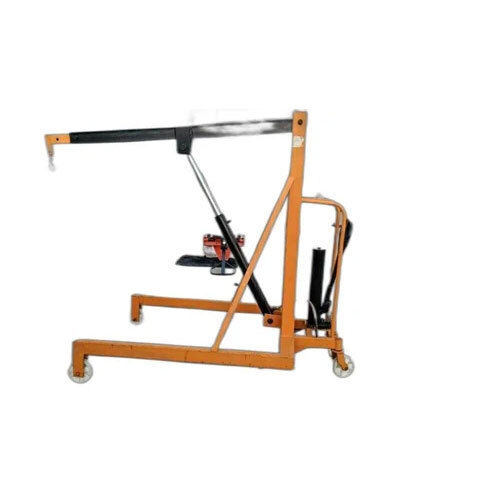
Tell us about your requirement

Price:
Quantity
Select Unit
- 50
- 100
- 200
- 250
- 500
- 1000+
Additional detail
Mobile number
Email

More Products in Floor Crane Category
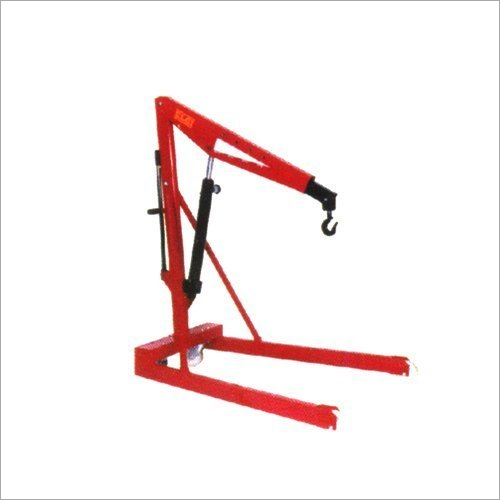
Manual Floor Crane
Price 45000 INR / Number
Minimum Order Quantity : 1 Number
Usage : Industrial
Color : Any
Warranty : Yes
Trolley Travel Speed : 15mm/Stroke
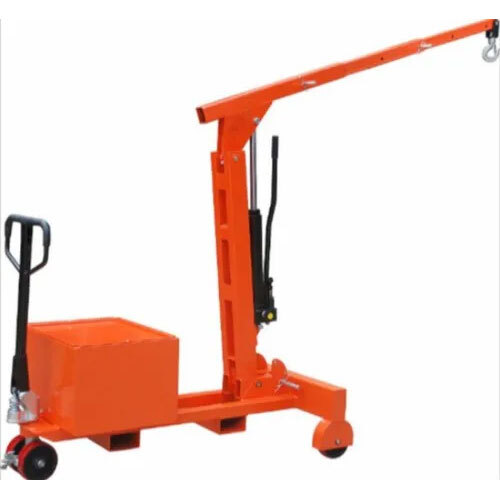
Workshop Mobile Floor Crane
Price 85000 INR / Piece
Minimum Order Quantity : 1 Piece
Usage : Industrial
Color : Orange
Warranty : Yes


 Send Inquiry


Our Products
- Industrial Stacker
- Goods Lift
- Pallet Truck
- Pallet Trolley
- Scissor Lift and Trolley
- Forklift Repairing Services
- Platform Trolley
- Dock Leveller
- Floor Crane
- Gas Cylinder Trolley
- Loading Ramps
- Drum Lifter
- Hydraulic Stacker Repair Services
- Goods Lift Repair Services
- Hydraulic Cylinder Repair Services
- Pallet Truck Repair Services
- Electrical Flameproof Control Panel
- Electric Stacker Equipment Repair Services
- Rack Belts
- MS Pallets
- MS Trolley
- Material Handling Trolley
- Freight Elevators & Lifts
- Caster Wheel
- Battery Operated Platform Truck


B No. 17, 10th Cross, Maruthi Ayyappa Industrial Estate, Tigalarapalya Main Road,Bengaluru - 560058, Karnataka, India

Mr. Nagaraju
(Partner)
Mobile :08045803183
 Send Inquiry
 Send SMS
 Call Me Free
Developed and Managed by Infocom Network Private Limited.


 English
 Spanish
 French
 German
 Italian
 Chinese (Simplified)
 Japanese
 Korean
 Arabic
 Portuguese